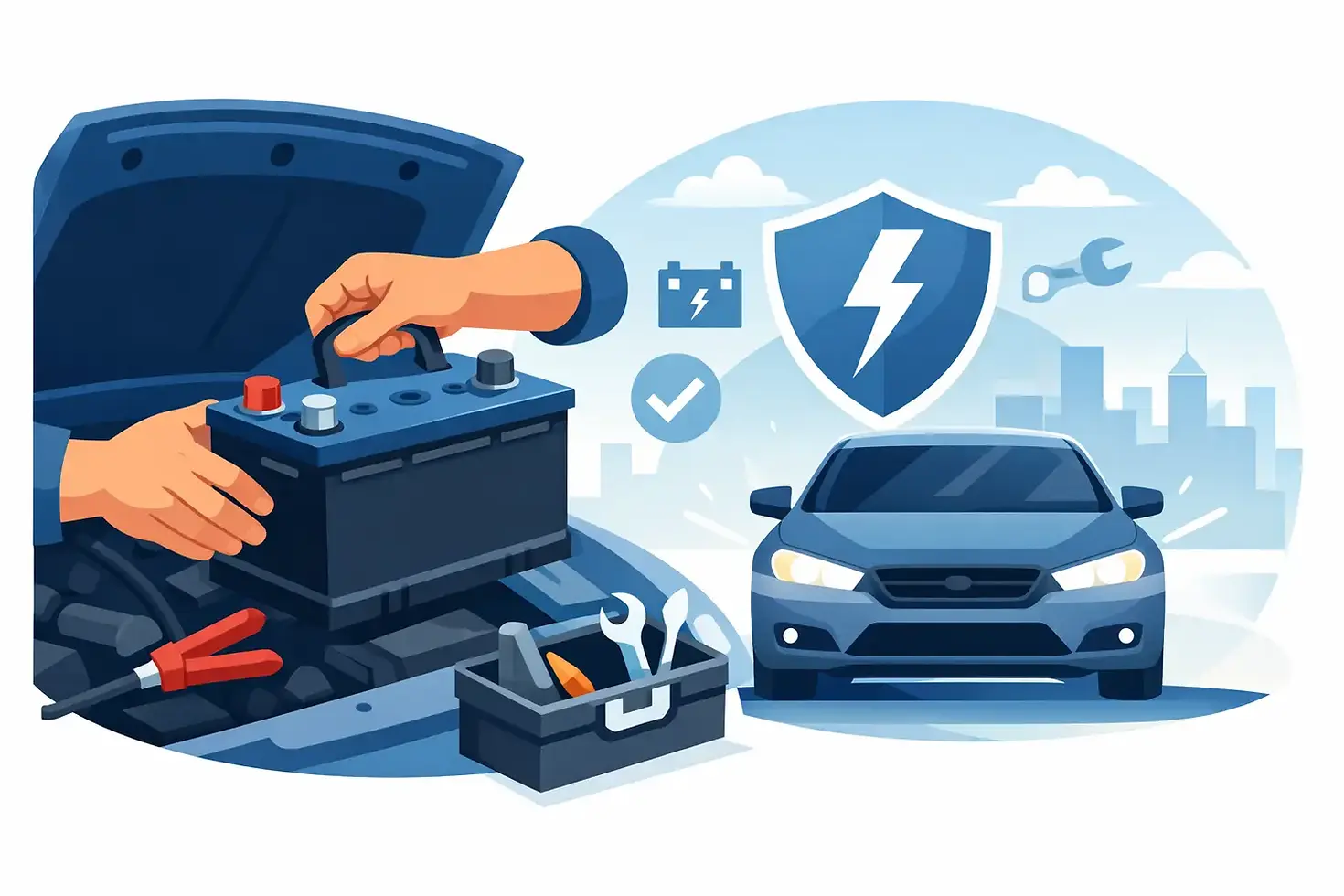
Car Battery Replacement Guide for Safer Starts
- Nicson Ku
- Aug 13
- 5 min read

A battery rarely fails at a convenient time. One morning, the engine turns over slowly. The next, the dashboard lights flicker and the car will not start at all. This car battery replacement guide helps you recognize the warning signs, select the correct battery, and avoid the small installation mistakes that can create bigger electrical problems.
Your battery does more than start the engine. It stabilizes voltage for the vehicle’s electronics, supports lighting and accessories when the engine is off, and works alongside the alternator once you are driving. A replacement is straightforward on many vehicles, but the right battery and the right process matter - especially on newer cars packed with sensors, infotainment systems, dash cameras, and start-stop technology.
Know When Your Battery Is Actually Failing
A no-start condition does not automatically mean the battery is dead. Loose terminals, a failing alternator, parasitic power drain, or a starter issue can produce similar symptoms. Still, there are clear signs that the battery is reaching the end of its useful life.
Pay attention if your engine cranks more slowly than usual, headlights dim at idle, power windows move sluggishly, or the battery warning light appears while driving. A swollen battery case, corroded terminals, or a strong sulfur-like odor under the hood are more urgent signs. Do not keep charging or jump-starting a visibly damaged battery. Have it inspected and replaced safely.
Battery life depends on climate, driving habits, electrical accessories, and battery quality. In hot, humid conditions, heat can shorten battery life by accelerating internal chemical wear. Short daily trips can also leave a battery undercharged because the alternator has limited time to restore the energy used during starting.
If your battery is around three years old and symptoms are starting to appear, testing it before it leaves you stranded is a smart move. A voltage reading is useful, but it is not the whole story. A battery may show acceptable voltage at rest yet fail under load. A proper load test or electronic battery test gives a more reliable answer.
Choosing the Right Replacement Battery
The cheapest battery that fits the tray is not always the best value. Your replacement must match the vehicle’s physical size, terminal layout, hold-down position, voltage, and required starting capacity. An incorrect fit can leave cables stretched, prevent the battery from being secured properly, or create a short-circuit risk.
Check the owner’s manual, the label on the existing battery, or confirm the specification with a qualified installer. Look closely at battery type as well. Conventional flooded lead-acid batteries suit many vehicles, while enhanced flooded batteries and AGM batteries are built for higher electrical demand. Cars with automatic start-stop systems often require a specific type, and fitting a lower-spec battery may cause poor performance, warning lights, or a shortened service life.
Cold cranking amps, commonly called CCA, measure starting power under cold conditions. Reserve capacity indicates how long a battery can supply power if the charging system is not working. Higher numbers are not automatically better if the battery does not match your vehicle’s design. The goal is the correct specification, not simply the biggest rating on the shelf.
For drivers who have added a powerful sound system, upgraded lighting, dash cameras, or other accessories, battery choice deserves extra attention. More accessories increase electrical demand, particularly when used with the engine off. A better battery may help, but it will not solve a charging system that cannot keep up with the load. This is where a professional assessment can save you from replacing parts blindly.
Check the Date Before You Buy
A battery can age while sitting in storage. Check the manufacturing date code and choose fresh stock when possible. Even a premium battery loses value if it has spent too long on a shelf without being maintained. Ask about the warranty too, but read it as support rather than a substitute for proper fitment and care.
How to Replace a Car Battery Safely
Before starting, park on a level surface, switch off the ignition, remove the key or key fob from the vehicle, and make sure all accessories are off. Wear eye protection and avoid jewelry, watches, or loose metal items that could bridge battery terminals.
You will typically need a socket or wrench set, a terminal brush, gloves, and a memory saver if your vehicle requires one. A memory saver can preserve settings in some vehicles, but it must be used correctly. On cars with sensitive electronics, battery monitoring systems, or security features, professional replacement is often the safer choice.
Follow this order:
1. Identify the negative terminal, marked with a minus sign or black cable, and disconnect it first.
2. Disconnect the positive terminal, marked with a plus sign or red cable.
3. Remove the battery hold-down bracket, then lift the battery straight up using the handle if fitted. Batteries are heavy, so keep your back straight and get help if needed.
4. Clean corrosion from the terminal clamps and battery tray. Inspect cables for cracks, fraying, or looseness before installing the new battery.
5. Place the new battery in the tray with the terminals in the correct orientation. Secure the hold-down bracket firmly.
6. Connect the positive terminal first, then the negative terminal. Tighten both connections so they are secure, but do not over-tighten and damage the terminal.
Never allow a tool to touch both terminals at once. Never place metal objects on top of the battery. If you see heavy corrosion, damaged cables, leaking fluid, or melted insulation, stop and have the vehicle inspected.
Why Terminal Order Matters
Removing the negative cable first reduces the chance of creating a short circuit if your tool contacts metal bodywork. When reinstalling, connecting the positive cable first follows the same safety logic. It is a simple detail, but it is one of the most important parts of a correct battery replacement.
After installation, start the vehicle and check for warning lights. Reset the clock, radio presets, window auto-up function, or other settings if necessary. Some vehicles need a battery registration or reset so the charging system recognizes the new battery. Skipping this step on compatible models can affect charging behavior and battery longevity.
Common Mistakes That Cost More Later
The most common mistake is replacing a weak battery without checking why it went weak. If the alternator is undercharging, a new battery may soon be discharged again. If an accessory is drawing power while the car is parked, the real issue remains unresolved.
Another mistake is leaving the battery loose in its tray. A battery that moves during driving can damage its case, strain the terminals, and create a safety hazard. Poorly tightened terminals are equally problematic. They can cause intermittent starting, voltage drops, and unusual electrical behavior that is difficult to diagnose.
Avoid using excessive terminal grease or spraying products everywhere under the hood. A light protective coating on clean, secure terminals can help reduce corrosion, but it should not hide a loose connection or damaged cable. Good workmanship starts with inspection, not shortcuts.
When Professional Installation Is the Better Move
DIY replacement makes sense on a simple vehicle with easy battery access and a confirmed battery specification. It is less ideal when the battery sits under a seat, in the trunk, behind trim panels, or near complicated electrical components. Hybrid vehicles, luxury vehicles, and late-model cars with battery sensors may need additional procedures.
Professional installation also gives you the chance to check the charging system, terminal condition, and accessory load at the same time. For drivers in Seri Kembangan, Puchong, Bukit Jalil, or Seri Petaling who have upgraded audio, lighting, tint, or other vehicle accessories, KWL Audio & Accessories can help make sure the battery and electrical setup support the way the vehicle is actually used.
A fresh battery should make every start feel confident, not leave you wondering whether the next one will work. Choose the correct type, install it with care, and treat recurring battery trouble as a signal to inspect the full electrical system.


Comments